Source Racing Truck Brake Pads for Fleet, Racing, and Hauling
Find 30 racing truck brake pads from Chinese manufacturers. Compare low-metallic formulas, high-temperature resistance, and OEM specifications for heavy-duty braking systems. Source reliable parts for diverse truck applications. Evaluate options for various truck models and trailer brake control needs. Select from metallic species and custom packaging options to meet specific operational requirements and ensure optimal performance in demanding environments.
Key considerations
Products List


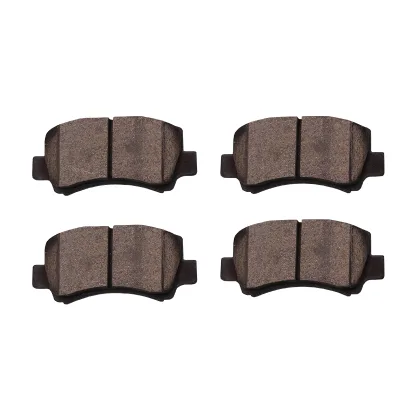


Comprehensive Sourcing Guide
Racing Truck Brake Pads Sourcing Guide
Sourcing racing truck brake pads requires distinguishing between standard commercial freight components and high-performance units designed for extreme thermal loads. The available market data indicates a primary focus on heavy-duty truck applications with specific model numbers like 29087 and FDB770, often utilizing low-metallic formulas engineered for high-temperature resistance. Buyers must recognize that while some listings mention "racing" contexts, the core product attributes describe robust components for general truck trailer brake control rather than specialized motorsport racing gear.
Procurement strategies should prioritize suppliers offering customization options to meet specific vehicle fitment requirements, as the observed data confirms availability for various piston configurations ranging from two to six pistons. The supply chain is anchored in Shandong, China, where manufacturers produce parts with metallic species and forging plus CNC cutting craftsmanship. Buyers should verify that the specific "racing" performance claims align with the actual product specifications, such as the OE standard or specific model numbers, rather than relying on generic marketing terms found in wholesale listings.
Product Scope and Observed Listing Signals
The observed product listings reveal a diverse range of brake pad models, including specific identifiers like 29087, 2992348, and FDB733, which cater to different truck configurations and braking systems. These products are generally categorized under metallic species with low-metallic formulas, designed to withstand the high thermal stress inherent in heavy-duty truck operations. The market signals suggest a strong emphasis on aftermarket availability, with packaging options ranging from neutral to customer-requested pallets, indicating flexibility for bulk procurement and distribution.
Buyers must carefully evaluate the distinction between standard commercial brake pads and those explicitly engineered for high-performance racing scenarios. While the data confirms high-temperature resistance and high-performance parts as key advantages, the specific application is often listed as general truck trailer brake control rather than dedicated racing circuits. This distinction is critical when selecting components, as the structural integrity required for sustained high-speed racing may exceed the specifications of standard heavy-duty truck pads, necessitating a deeper technical review of the specific model's thermal capacity and wear characteristics.
Technical Specifications to Verify
Technical verification must begin with the brake pad formula and species, as the data highlights low-metallic compositions designed for high-temperature resistance. Buyers should confirm that the specific model, such as 29087 or FDB770, meets the thermal demands of their intended racing application, ensuring the metallic species can handle the extreme friction and heat generated during high-speed deceleration. The craftsmanship, described as a combination of forging and CNC cutting, suggests a high level of dimensional precision, which is essential for consistent braking performance and pad life in demanding environments.
Further scrutiny is required regarding the piston configuration and physical dimensions, as the listings mention options for 2, 4, or 6 pistons and specific machining radii up to 230mm. These mechanical attributes directly influence the clamping force and heat dissipation capabilities of the braking system. Procurement teams must validate that the selected brake pads are compatible with the specific truck's brake system architecture, ensuring that the position, whether front or rear, aligns with the vehicle's design and that the weight and stroke specifications meet the operational requirements of the racing truck.
Compliance and Safety Documentation
Compliance verification is paramount when sourcing brake components for high-performance applications, as the data lists a wide array of certifications including DOT, ISO/TS, IATF, and GMP. These certifications indicate that the manufacturing processes adhere to international quality and safety standards, which is a baseline requirement for any component used in heavy-duty or racing contexts. Buyers should request current certification documents to ensure that the specific batch of brake pads being purchased maintains these standards, as regulatory compliance is often a prerequisite for insurance and safety inspections in professional racing leagues.
Safety documentation must also address the specific standards and testing protocols used to validate the brake pads' performance under extreme conditions. While the listings mention OE standards and various international certifications, buyers need to confirm that the specific product has undergone rigorous testing for thermal stability and wear resistance. It is essential to verify that the supplier can provide test results or quality assurance reports that demonstrate the brake pads' ability to maintain structural integrity and friction coefficients under the high-stress conditions typical of racing truck operations.
Cost Drivers and Commercial Terms
Cost structures for racing truck brake pads are influenced by the complexity of the formula, the precision of the forging and CNC cutting processes, and the volume of the order. The observed data indicates a minimum order quantity (MOQ) of 50 sets or pieces, which serves as a baseline for commercial transactions. Buyers should anticipate that customization requests, such as specific colors or packaging, may incur additional costs, and the final price will likely fluctuate based on the order quantity and the specific model number selected from the available range.
Commercial terms regarding delivery and payment are critical for managing the procurement timeline, especially for racing teams with tight schedules. The data suggests that delivery times are determined by the order quantity, implying that larger orders may require longer lead times. Buyers should negotiate clear terms regarding production schedules and shipping logistics to ensure timely delivery, while also considering the impact of currency fluctuations and potential tariffs on imported components from the Shandong region of China.
Supplier Qualification and Quality Control
Supplier qualification should focus on manufacturers with a proven track record in producing high-performance brake components for the trucking industry. The data identifies Frontech as a key factory, but buyers must independently verify the supplier's capacity to meet the rigorous demands of racing applications. This includes assessing their quality control systems, production capacity, and ability to maintain consistency across large batches of brake pads, ensuring that every unit meets the specified technical and safety standards.
Quality control protocols must be established to verify the integrity of the brake pads before they are integrated into the racing truck. Buyers should implement incoming inspection procedures that check for dimensional accuracy, material composition, and surface finish, ensuring that the forging and CNC cutting processes have been executed correctly. Regular audits of the supplier's production line and testing of sample batches can help mitigate the risk of defects and ensure that the brake pads perform reliably under the extreme conditions of racing.
Long-Term Procurement Checks
Long-term procurement strategies should include regular performance reviews and feedback loops to assess the durability and reliability of the brake pads in actual racing conditions. Buyers must track wear rates, thermal performance, and any signs of premature failure to determine if the current supplier can consistently meet the high standards required for racing applications. This data-driven approach allows for continuous improvement and helps identify any necessary adjustments to the product specifications or supplier selection criteria.
Building a resilient supply chain involves diversifying suppliers and maintaining strong relationships with multiple manufacturers to mitigate risks associated with production delays or quality issues. Buyers should establish contingency plans that include alternative sources for critical brake components, ensuring that racing operations are not disrupted by supply chain interruptions. Regular communication with suppliers regarding market trends, technological advancements, and potential supply constraints will help maintain a competitive edge and ensure the long-term success of the racing truck program.
FAQs
What certifications do these racing truck brake pads have?
These brake pads hold multiple certifications including DOT, ISO, GSV, GMP, and IATF standards. They are manufactured in Shandong, China, and meet international safety requirements for heavy-duty truck applications.
How is the customization available for these brake pads?
Customization is available for color, packaging, and specific product models like 29087 or FDB770. Buyers can request neutral packaging or pallets, and the factory supports various piston configurations for different truck models.
Which specifications define the racing truck brake pad models?
Models include 29087, FDB770, and FDB733 with metallic species and low-metallic formulas. They feature high-temperature resistance, floor drum brake classification, and are designed for front or rear truck brake systems.
Can I order small quantities of these racing truck brake pads?
Yes, the minimum order quantity is 50 pieces or 50 sets depending on the specific product listing. This allows buyers to test the market without committing to large initial inventory volumes.
What is the lead time for delivery of these brake pads?
Delivery time is determined according to the specific order quantity requested by the buyer. The factory in Shandong, China, manages production schedules to ensure timely shipment for global markets.
How do these brake pads handle high temperature conditions?
They utilize a low-metallic, high-temperature resistant formula designed for heavy-duty truck applications. This ensures reliable performance under extreme braking conditions typical for racing or heavy transport scenarios.